


06/01/2026
06/01/2026
Flowserve Celebrates Safety Week 2026
Flowserve News


At Flowserve, Safety Week represents a time to reflect on our ongoing commitment to creating a safe workplace. From June 1–5, we explore topics that do more than just encourage compliance – they further establish a strong culture of safety.
By Michael Wolf
Safety Week is officially upon us at Flowserve!
Each year, our Health, Safety and Environmental (HSE) team leads the charge on Safety Week. As an annual observance, it gives our associates around the world an opportunity to pause, reflect and recommit to creating safer workplaces for everyone. Safety Week is anchored by one of our most important initiatives: Building Better Safety. As a core value at Flowserve, safety goes beyond compliance with protocols and policies. It means we lead by example through our actions and behaviors and treat safety as a daily responsibility, rather than an occasional priority. By embedding this in our culture, associates are empowered to speak up so that risks are addressed before they become incidents.
This year’s theme is Building Better Safety: From Hazard to Habit. It focuses on going beyond identifying hazards – it’s about fostering a culture where safe behaviors become consistent habits, every day.
That mindset supports Flowserve’s goal of zero accidents while helping sites strengthen local safety programs through practical discussion and engagement. Across the organization, associates take part in activities designed to improve safety awareness, evaluate current practices and uncover opportunities to make work environments even safer. In that way, Safety Week serves not just as a campaign, but as a catalyst for continuous improvement.
Safety Week has played an important role in strengthening Flowserve’s safety culture and supporting lower incident rates across the company. But what makes it effective, and how did we build a strong safety culture? We’ll guide you through topics we emphasize and the habits we reinforce. Safety Week highlights the practices that do more than shape one week of focus – they reflect the mindset and behaviors that are central to our culture year-round.
Focusing on the Risks that Matter Most
One of the most important elements of Flowserve’s approach is its emphasis on preventing Serious Injuries and Fatalities, often called SIF prevention. This mindset encourages teams to look beyond everyday metrics and ask a more consequential question: which tasks or conditions carry the potential for life-altering outcomes?
That perspective matters because not all risks are equal. Some hazards may appear routine until the consequences are considered more fully. By identifying higher-consequence risks early, teams can prioritize the safeguards that matter most, improve planning, and verify that critical controls are in place before work begins.
Safety Week provides a strong platform for these conversations. Teams may use the week to review job safety analyses for high-risk work, revisit critical controls, discuss lessons learned, and reinforce expectations around stopping work when conditions are unsafe. Seen through that lens, Building Better Safety is not just about awareness. It’s about making sure the most serious risks receive the highest level of attention.
Reinforcing Safe Habits Through Daily Behaviors
Another important element of a strong safety culture is Behavior-Based Safety, or BBS. This concept helps create a more proactive vs. reactive environment by focusing on everyday behaviors, peer observations, coaching, and positive reinforcement.
Its strength lies in its practicality. BBS encourages teams to pay attention to the small decisions and actions that influence safety outcomes every day. It helps employees and leaders recognize what safe work looks like, have constructive conversations in the moment, and address at-risk behaviors before they contribute to a larger event.
Just as importantly, BBS works best when it is more than a checklist exercise. When applied thoughtfully, it can improve communication, build trust, and reinforce shared responsibility across teams. During Safety Week, those principles can come to life through observations, team discussions and site-level engagement activities such as games or team events. These interactions reinforce that safety is also about how people look out for one another, how leaders coach in the field and how teams strengthen the habits that prevent injuries.
Embedding Safety in Daily Management
For safety improvements to last, safety must be part of the everyday rhythm of work. That is where daily management plays a critical role.
Daily management includes the routine processes leaders and teams use to review performance, surface issues, assign actions, and keep priorities visible. When safety is embedded into those routines, it becomes part of normal operations rather than a separate initiative.
In practice, that can include safety topics in shift-start meetings, visual management boards, leader standard work, action tracking and escalation routines. These practices help teams identify concerns earlier, follow through on corrective actions, and discuss improvement opportunities consistently instead of only after an incident.
This connection is central to building better safety. While annual events like Safety Week can energize and refocus an organization, lasting progress depends on the systems that shape daily behavior and decision-making. Daily management helps turn safety values into repeatable actions. It gives teams regular opportunities to review conditions, discuss risks and confirm that controls are working as intended.
A Connected Approach to Safety
What makes Flowserve’s approach especially meaningful is how these elements work together. SIF prevention focuses attention on the most serious risks. Behavior-Based Safety focuses on the daily actions that shape outcomes. Daily management provides the structure that sustains accountability and progress over time. Together, these form a connected approach to building a stronger safety culture.
Safety Week is a way we bring those elements into focus each year by creating space for reflection, dialogue, and action across the organization. Whether it’s a brief team building exercise or watching an informative video – it’s an opportunity for associates to connect with each other for a shared purpose.
Ultimately, Safety Week at Flowserve demonstrates what building better safety looks like in practice. It is intentional, collaborative, and grounded in the belief that safety excellence is achieved through constant attention and continuous improvement. By dedicating time each year to strengthening safety culture and improving site performance, Flowserve reinforces a simple but essential truth: safety is not separate from operational success – it’s a fundamental part of it.
Image
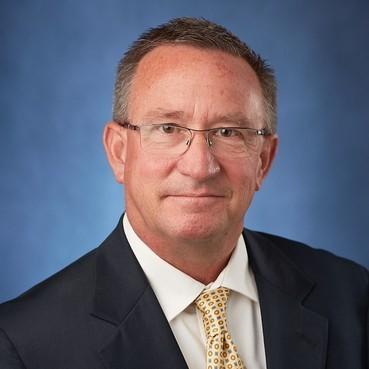
Michael Wolf, CSP | Global HSE Program Manager | Taneytown, MD, USA
Michael is a veteran HSE Program Manager and Certified Safety Professional with 25 years of experience leading health and safety initiatives across specialized industries, from motorcycle manufacturing and Lab Grown Diamonds to defense contracting. Renowned for his data-driven approach to risk assessment and Human Organizational Performance (HOP), Michael bridges the gap between regulatory compliance and real-world site execution. A passionate advocate for the safety community, he is a past Region VI Vice President for the American Society of Safety Professionals (ASSP) and was honored as Safety Professional of the Year. He currently focuses on fostering safer, more engaged workplaces through continuous improvement and empathetic leadership.
05/01/2025
How Industrial Companies Can Meet Stricter European Environmental Regulations
EU nations see industrial energy users as key partners in achieving net-zero by 2050.